01
Adapt a product platform
ODM Kitchen Tools for Your Next Product Range.
ODM kitchenware development starts with an existing product platform and adapts the details around your buyer. Compare the finish, handle, set and packaging before deciding how far the design should change.
Discuss your project
A useful first brief
What to bring to the conversation.
02
Brand positioning and intended buyer
03
Changes you need and elements you can retain
ODM / Develop from a starting design
Find the right base. Develop the differences.
Begin with a product direction that already suits part of your brief. The work is deciding what to keep, which adaptations matter to your buyer and how the resulting items fit your range.
05milestones
Timing confirmed with your quotation
-
Explore the starting options
Shortlist catalogue references around the task and customer. Compare the overall form before choosing a base for development.
MilestoneSelected product direction -
Define your differences
Separate features to retain from changes you want. For a ladle, describe the intended reach or bowl proportion as well as the visual direction.
MilestoneAdaptation brief -
Choose a feasible route
Discuss which requests suit the starting construction and which need further development. Weigh the sample scope and cost of each proposed route.
MilestoneChosen development option -
Try the adapted version
Compare the proposed sample with the original reference. Assess whether the changes improve the intended use and still work together.
MilestoneAccepted changes and sample -
Bring the range together
Review the selected items side by side. Record shared styling, item-specific details, packaging and quantities in the final quotation.
MilestoneCoordinated range brief
The extent of the adaptation sets the development work. A requested handle or head change may need a construction review and another sample before it can be quoted as an agreed option.
Made in our Yangjiang factory
Develop the product where it will be made.
Changes are worked through with the people who cut the tools and run the machines. A new outline or logo cut-out on a laser-cut part is a programme change; a new handle shape is a mould change in our toolroom.
-
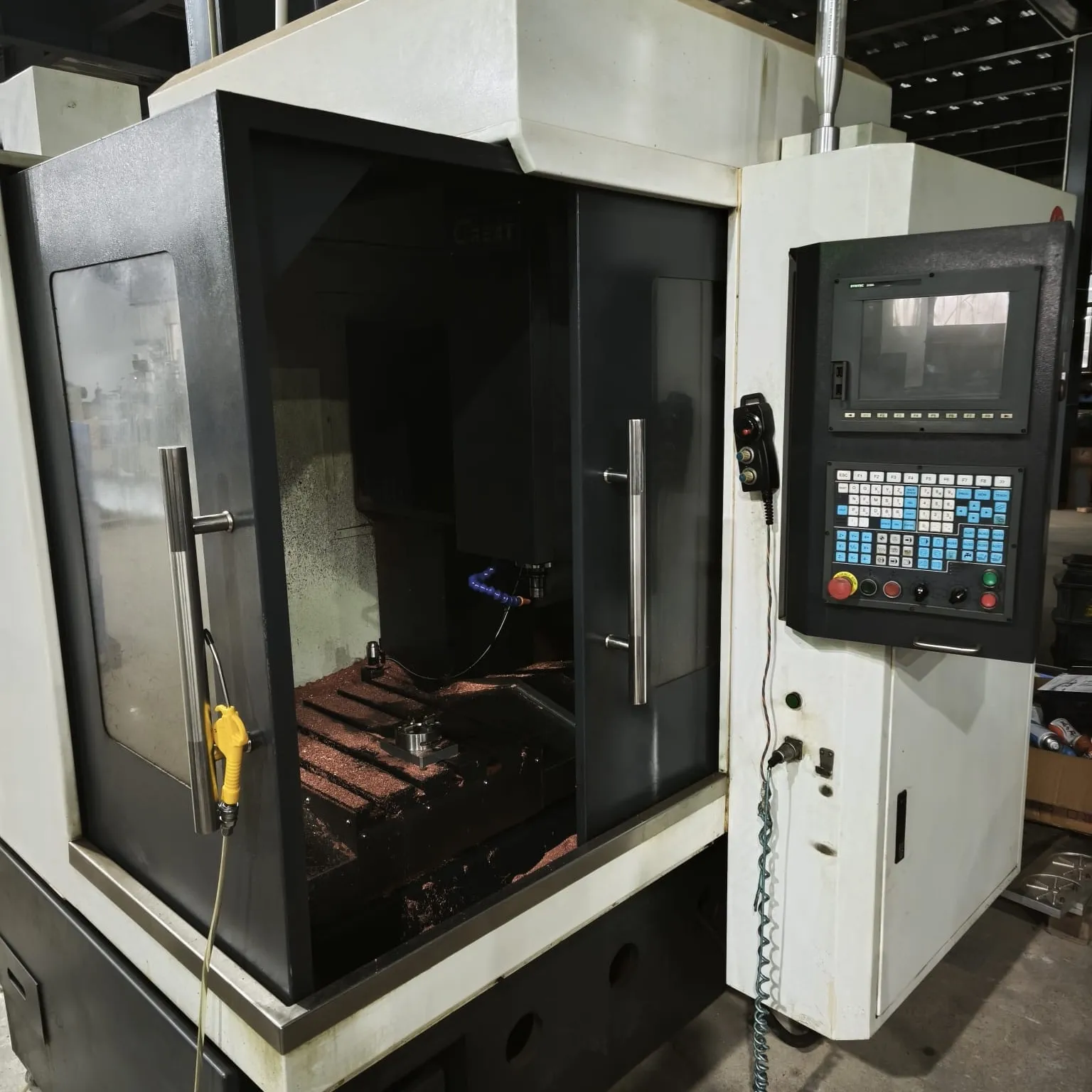
Tooling
Press tools and moulds made in our toolroom.
Tooling is machined and maintained in our own toolroom, with CNC machining centres, milling and surface grinding.
-
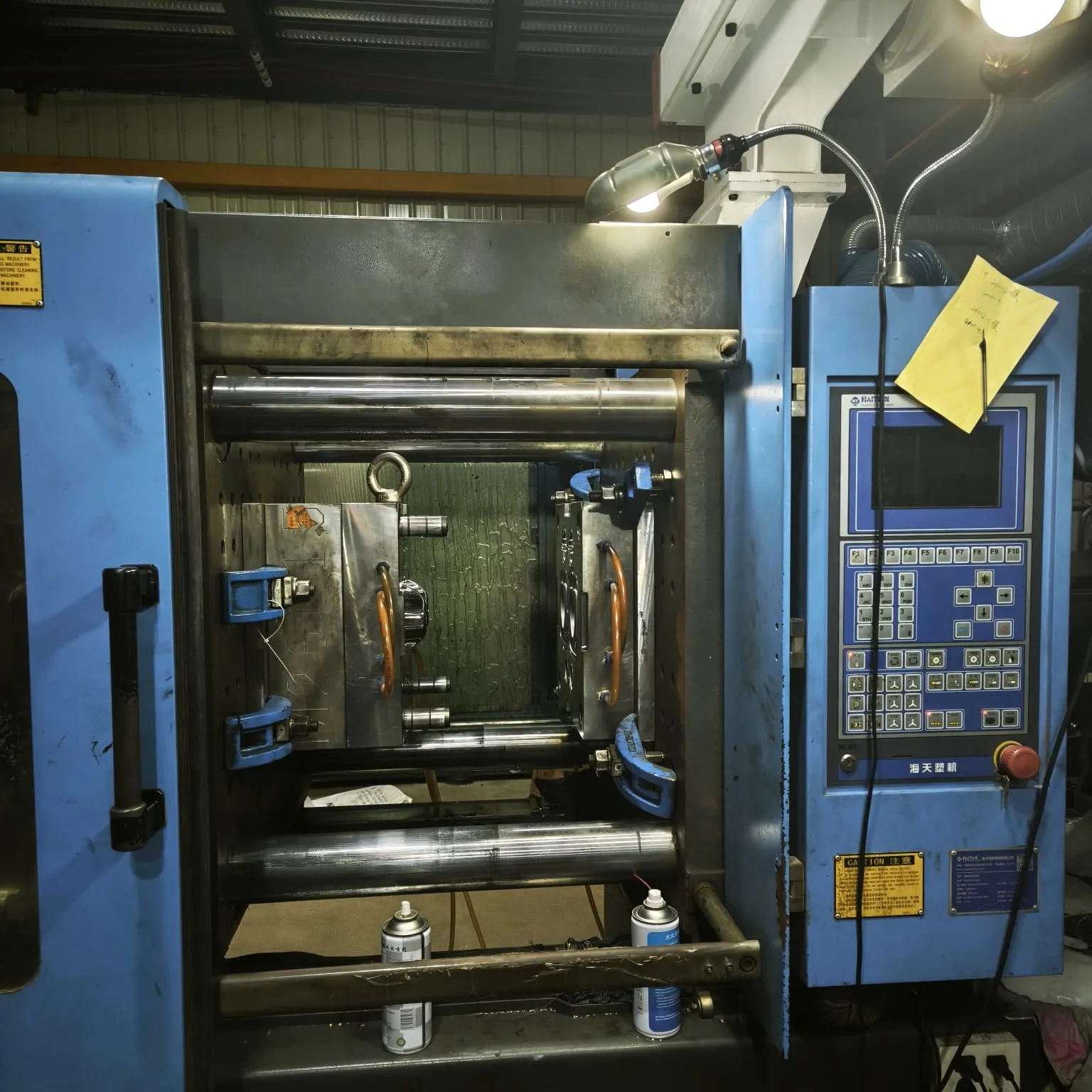
Moulding
Handles and plastic parts moulded in-house.
Haitian injection moulding machines, with robotic take-out on the larger cells, produce handles, grips and plastic components.
-
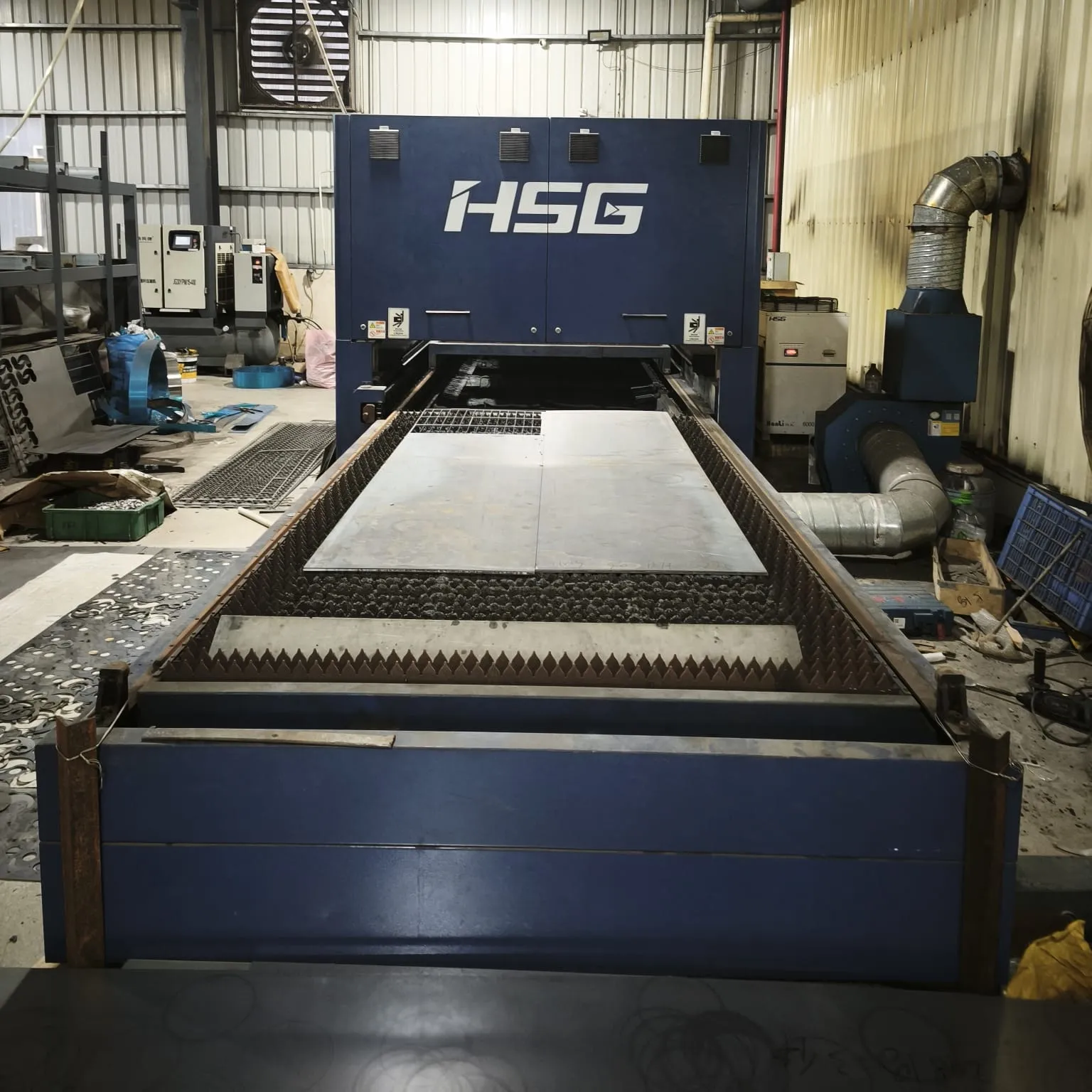
Laser cutting
Blanks cut straight from the drawing.
Sheet is lifted onto the bed of an HSG laser cutting machine, which profiles flat blanks from the drawing.


Photographed in our factory by our own team. Take the full factory tour
A KOVA product in your project
Adapt a ladle around the way it will be used.
Imagine a cooking range that needs a longer ladle handle and a coordinated finish. Begin with a catalogue direction, then define the requested changes without assuming the existing construction can support all of them.
Illustrative briefSoup ladle

Identify what stays
Name the bowl profile or overall visual direction you want to retain. Record the starting sample measurements so a later comparison has a clear baseline.
Describe the change
Give the requested handle reach and intended cookware. If capacity is also changing, state it separately and agree the measurement method instead of treating it as a finish option.
Review the effect
Assess balance, handle attachment, storage and packaging fit on the proposed sample. Confirm the material and finish before agreeing care information for the range.
Bring it into your enquiry. Keep quantity, finish and handle requirements separate for each utensil. A coordinated collection may share a design theme while needing different construction and sampling decisions.
Separate presentation changes from construction changes
For kitchen tools development, distinguish the baseline product from the requested adaptation. A different logo or box may leave the product platform intact. A new handle shape, blade geometry or component arrangement may require a different sample, tooling or test scope. For each change, record the starting feature, the proposed replacement and the sample check needed to approve it.
Our slotted turner spatula gives that conversation a concrete starting point. You might want to retain the overall form while discussing a different handle or head profile. Explain the cooking task behind the change so we can review its effect on handling, construction and the sample requirements.
Make the range work as a collection
Compare scale, finish, proportions and packaging across the chosen products. One attractive item does not guarantee a coherent assortment. Agree a small set of design rules before applying a visual treatment to every SKU.
A soup ladle and stainless steel skimmer can provide the starting references for a cooking-utensil range. Compare handle proportions and finish side by side, while allowing each head to suit its own task. Shared styling should still leave room for differences in balance and use.
Agree the boundaries in writing
Confirm what is standard, what is project-specific and what can be exclusive. Document artwork ownership, tooling terms and any limits on future use in the commercial agreement. Review documentation again when materials or intended use change.
Quantity and timing
Low MOQ starts from 100 units. Tell us the quantity per product and configuration, including any custom finish, tooling or packaging. Sample and production timing are quoted against the agreed scope and approval sequence.
For a deadline-driven launch, include your required arrival date and destination. Allow time for samples, artwork decisions and any necessary product or packaging testing.
Change map
Keep. Change. Review the consequences.
Use this three-column brief to make an ODM request clear. The aim is to describe a purposeful adaptation and the checks it creates, rather than simply asking for a different-looking product.
01 / Keep
Set the baseline
Identify the parts of the starting product that already fit your customer and range.
- Intended cooking task
- Selected profile or proportions
- Features you want retained
02 / Change
Make the request specific
Separate presentation requests from changes to fit, function or construction.
- Handle, head or capacity changes
- Component or finish preferences
- Logo, set and packaging direction
03 / Review
Check the affected details
Ask which requirements need a new sample, tooling review or updated supporting information.
- Handling and component fit
- Tooling and quotation scope
- Care, documents and pack fit
For example, a longer handle may affect balance and carton size even when the bowl stays the same. Record the accepted changes before applying a shared visual treatment across the range.
See how OEM, ODM and private label differBuyer questions
How does ODM differ from OEM?
ODM starts from a product platform. OEM begins with your defined design or specification. The practical route depends on how much of the product already exists.
Can the product be exclusive to my brand?
Discuss the scope you want to protect. Exclusivity and design ownership need a specific agreement; branding alone does not establish them.
Plan your range