01
Build beyond one product
A clearer route from selection to quotation.
Use our factory experience and sourcing support to build a kitchenware range with coherent specifications, samples and packaging. Start with the products you need and the decisions your team needs help resolving.
Discuss your project
A useful first brief
What to bring to the conversation.
02
Must-have specifications and target quantity
03
Destination, channel and commercial priorities
From idea to agreement
Make each decision clear.
Our factory’s 20 years of experience provide the starting point. Your product, quantity and market determine the right project scope.
Download a project briefScope
Define the range and priorities.
Compare
Align specification and quotation assumptions.
Sample
Evaluate the actual options against the brief.
Coordinate
Agree production, documentation and delivery responsibilities.
Made in our Yangjiang factory
Catalogue items come from our own factory.
Every product in our catalogue is made in our Yangjiang factory. When your range needs an item we do not make, we tell you so before the quotation.
-
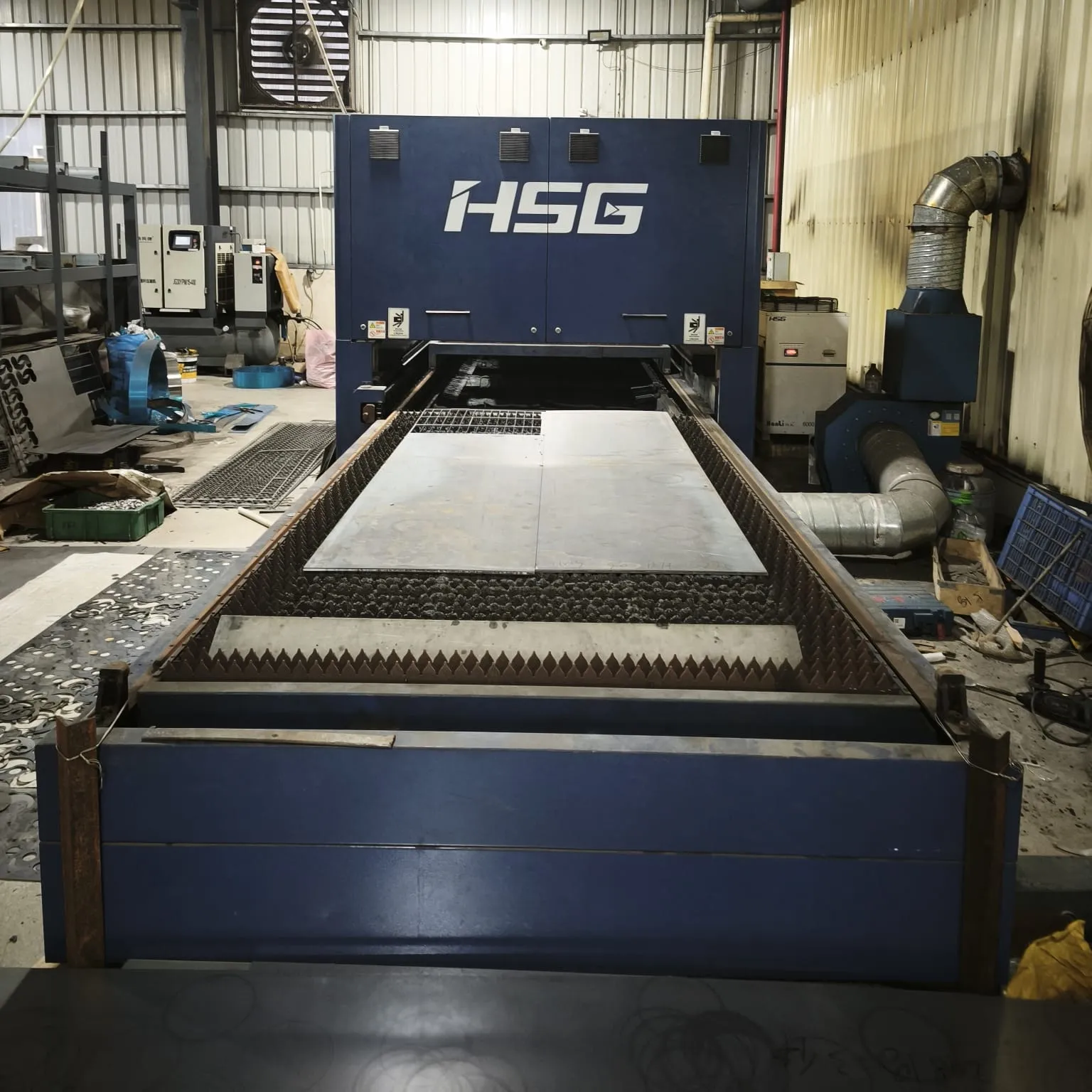
Laser cutting
Blanks cut straight from the drawing.
Sheet is lifted onto the bed of an HSG laser cutting machine, which profiles flat blanks from the drawing.
-
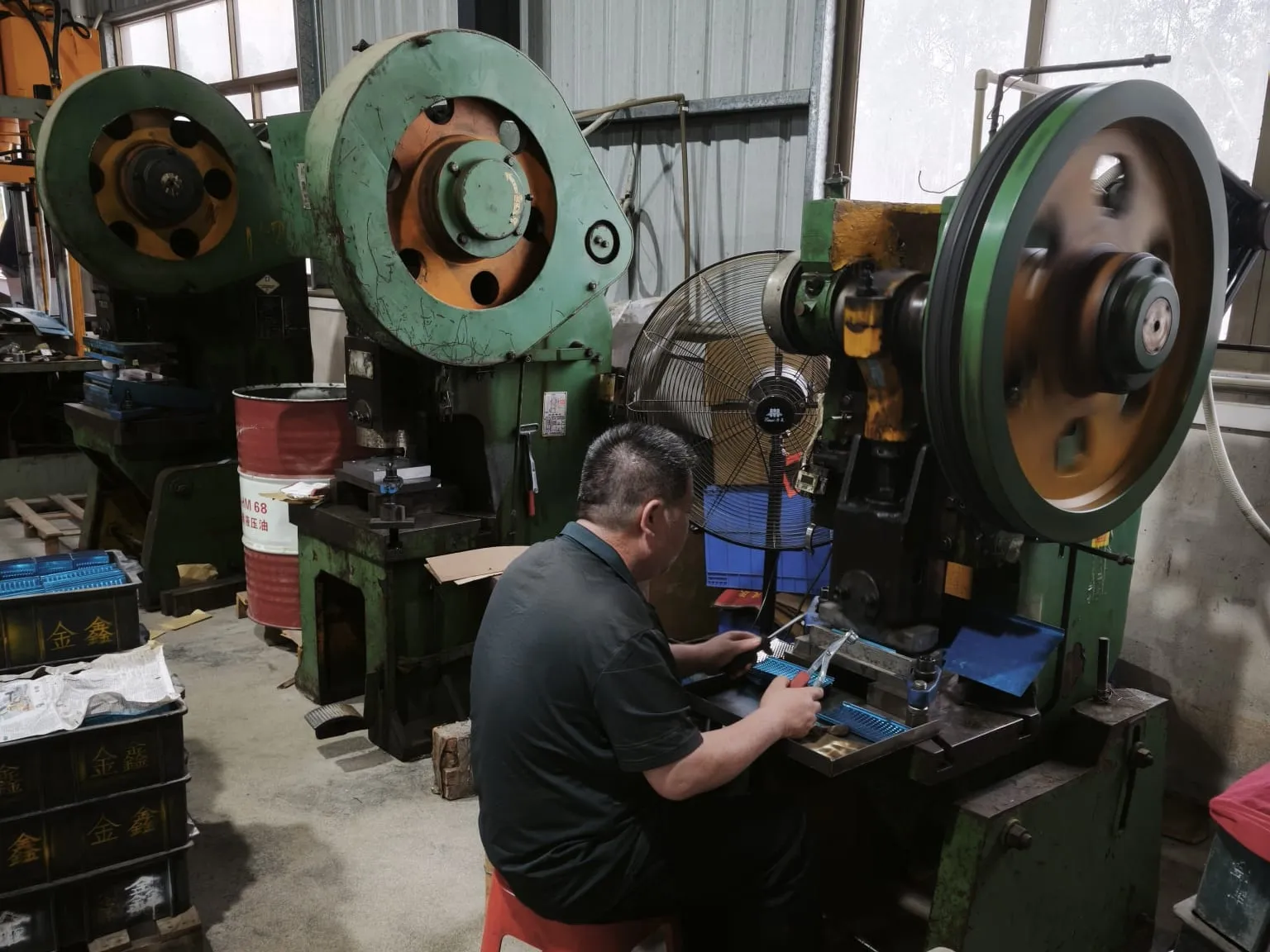
Pressing
Pressing and forming on our own presses.
A bay of open-back mechanical presses, including 40-tonne units, blanks, pierces and forms steel parts with dedicated tooling.


Photographed in our factory by our own team. Take the full factory tour
Compare quotations on the same basis
A lower unit price may cover a different material, decoration, pack-out or inspection scope. Use one brief for each candidate configuration, separate sample and tooling costs, and record delivery terms before comparing totals.
Clarify responsibility for each stage
For a multi-product project, ask who manufactures the item, who approves changes, who performs checks and who provides documentation. Agree manufacturing, sourcing and hand-off responsibilities for each product in the selected range.
Keep samples and documents connected
Use a stable product reference and version across the drawing, quotation, sample and packaging. When an option changes, identify which records need updating. A similar-looking sample or report is not a substitute for the agreed configuration.
Quantity and timing
Low MOQ starts from 100 units. Tell us the quantity per product and configuration, including any custom finish, tooling or packaging. Sample and production timing are quoted against the agreed scope and approval sequence.
For a deadline-driven launch, include your required arrival date and destination. Allow time for samples, artwork decisions and any necessary product or packaging testing.
Buyer questions
Can I enquire about products outside the catalogue?
Yes. Send a reference and requirements so we can discuss feasibility and the sourcing route.
What makes a quotation comparable?
Use the same specification, quantity, packaging, inspection and delivery basis, and identify all excluded costs.
Plan your range