01
From your specification
OEM Kitchenware and Kitchen Utensils Manufacturing.
OEM kitchenware manufacturing starts with your drawing, reference sample or defined specification. KOVA Tough helps turn that brief into a practical production discussion, with low MOQ from 100 units and customisation shaped around your project.
Discuss your project
A useful first brief
What to bring to the conversation.
02
Target quantity, use and destination market
03
Performance requirements and packaging brief
OEM / From drawing to production
Make your design ready for manufacture.
Your specification sets the direction. Work through the construction, tooling and sample details with KOVA until there is an agreed version to manufacture against.
05milestones
Timing confirmed with your quotation
-
Set the design requirements
Send your drawing or reference sample. Identify the dimensions, component materials and functional details that must be retained.
MilestoneDrawing and requirements list -
Resolve the construction
Review how the parts fit together and whether existing tooling can be used. Agree proposed alternatives and costs before sample work.
MilestoneConstruction and tooling scope -
Check the first sample
Compare the sample with your specification. For a garlic press, that could include hinge movement, grip clearance and pressing-chamber details.
MilestoneMeasured sample feedback -
Close the revisions
Resolve the recorded changes, confirm any repeat sampling and align the accepted product with its protective parts and packaging.
MilestoneApproved manufacturing reference -
Release the agreed order
Confirm the final specification, quantity, inspection requirements and delivery plan so production follows the accepted version.
MilestoneProduction specification and order
A drawing change can affect tooling, samples and the quotation. Keep one current revision and allow for another review when a critical dimension or component changes.
Made in our Yangjiang factory
Your drawing, made on our own equipment.
OEM orders run on the presses and moulding machines shown on our factory tour. Press tools and moulds are made in our toolroom and kept on site for repeat orders.
-
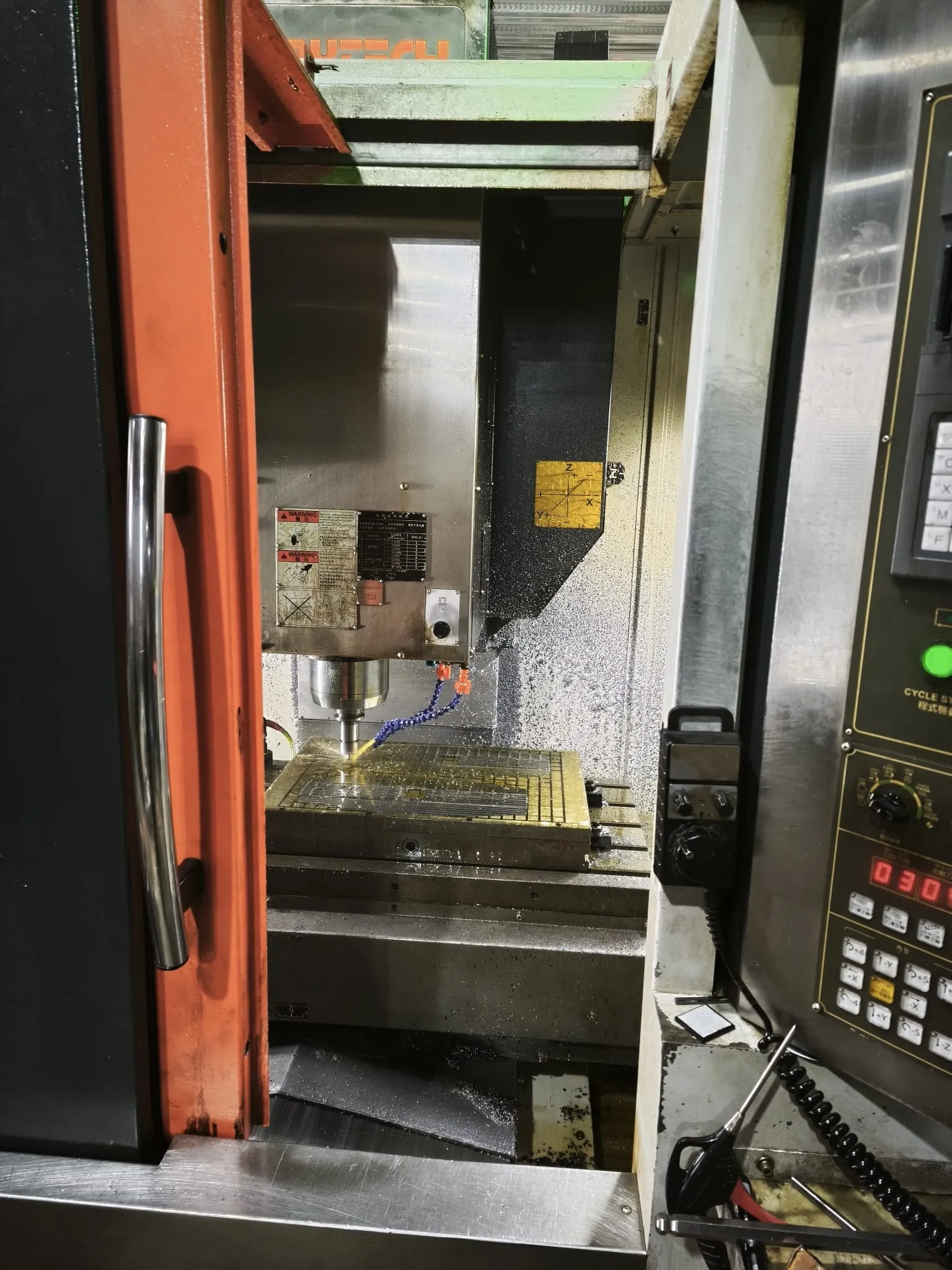
Tooling
Press tools and moulds made in our toolroom.
Tooling is machined and maintained in our own toolroom, with CNC machining centres, milling and surface grinding.
-
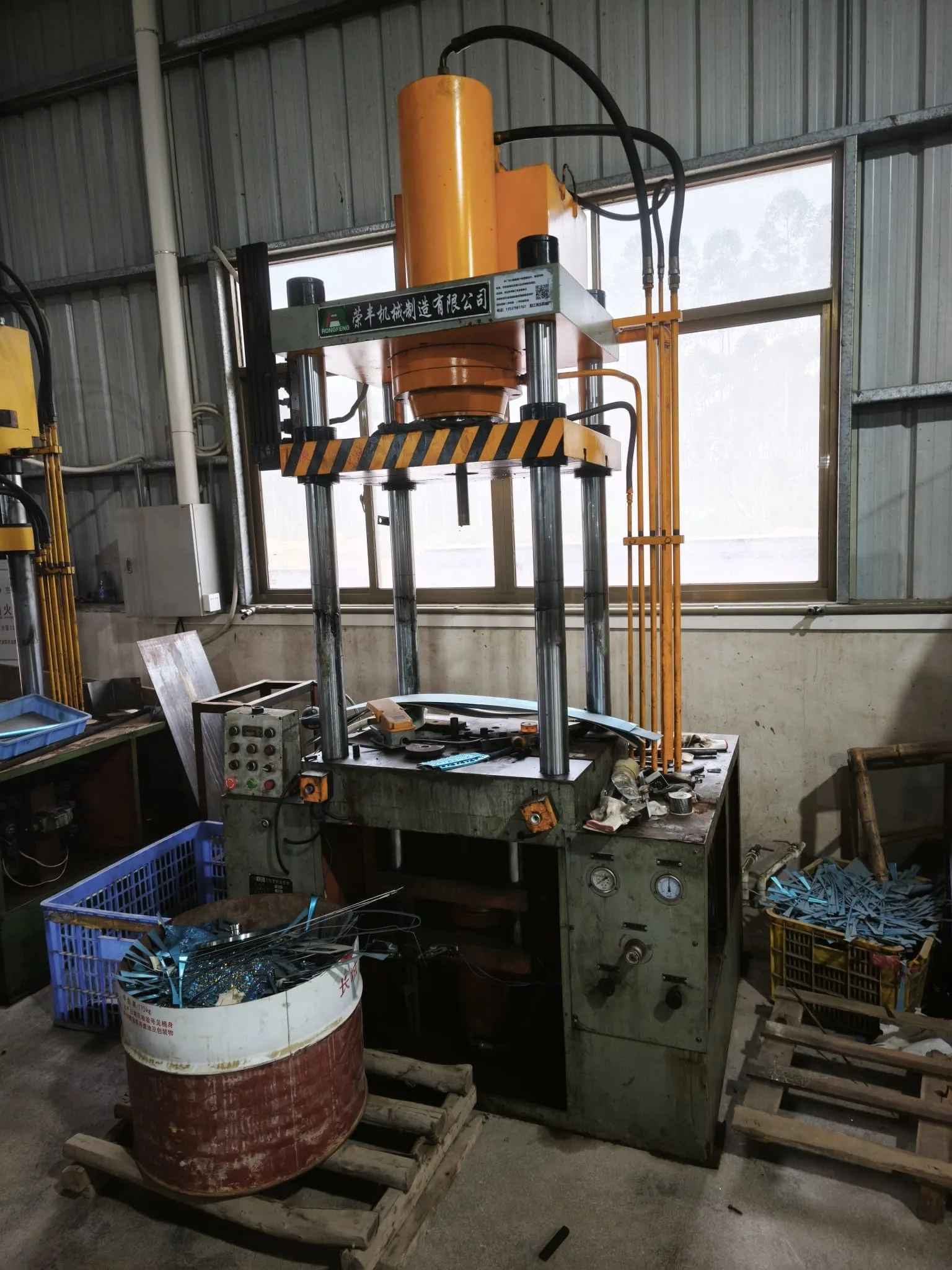
Pressing
Pressing and forming on our own presses.
A bay of open-back mechanical presses, including 40-tonne units, blanks, pierces and forms steel parts with dedicated tooling.
-
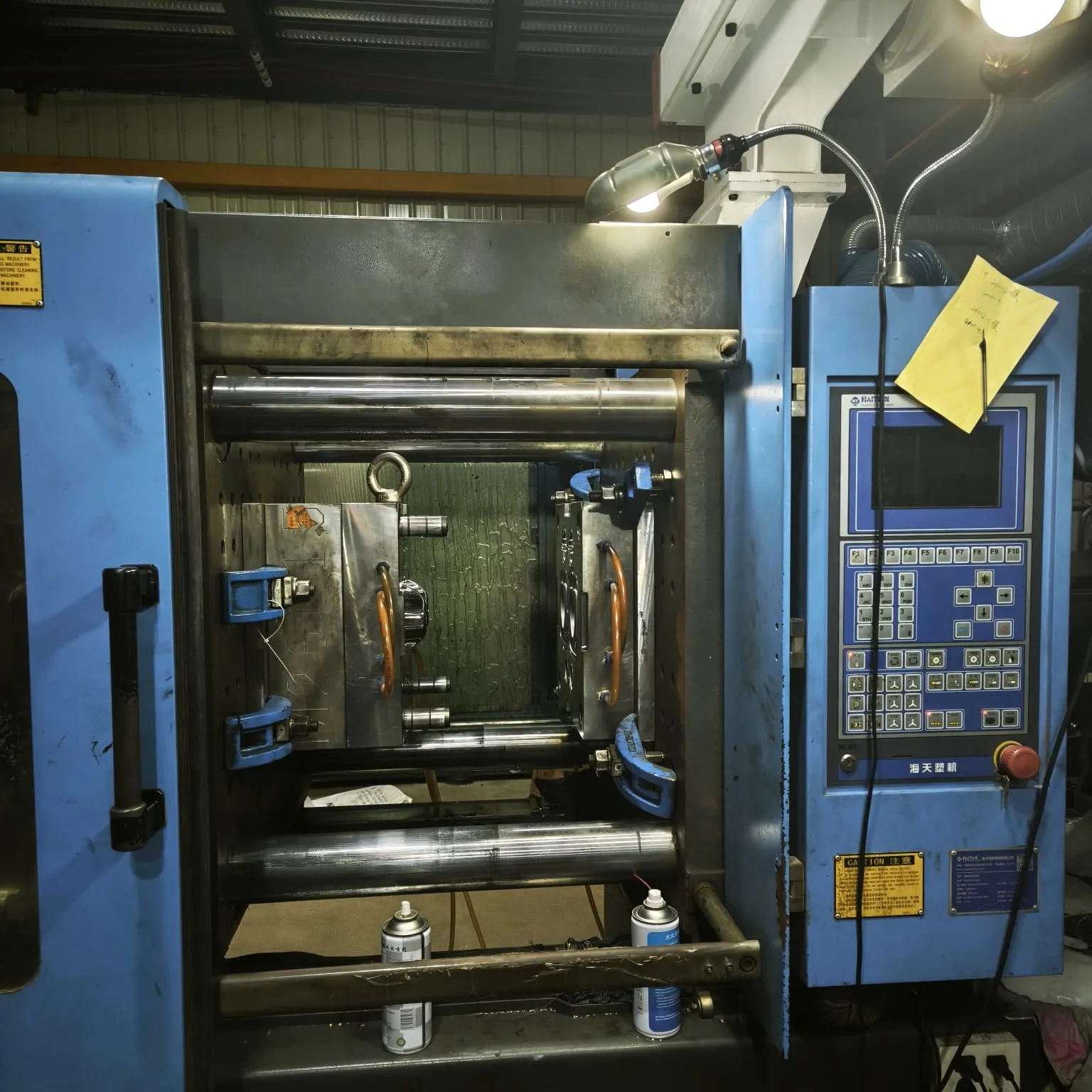
Moulding
Handles and plastic parts moulded in-house.
Haitian injection moulding machines, with robotic take-out on the larger cells, produce handles, grips and plastic components.


Photographed in our factory by our own team. Take the full factory tour
A KOVA product in your project
What goes into a pizza-rocker OEM brief?
A drawing becomes useful when the cutting task, construction and protective pack are defined together. Here is how a pizza-rocker enquiry could be organised.
Illustrative briefPizza rocker knife

Blade geometry and grip
Define blade span and curve, intended pizza and board sizes, and hand clearance. Link the measurements that affect the cutting motion to the drawing revision.
Components and construction
List the blade, handle and attachment requirements separately. State material and finish preferences and identify where a proposed alternative would be acceptable.
Protection and presentation
Specify the edge cover or insert, retail format and logo position. Review how the actual tool fits the pack, including removal and storage.
Bring it into your enquiry. Request a quotation that identifies the drawing revision, tooling assumptions, sample scope and packaging option. A product illustration alone does not settle those details.
Start with the requirements that matter
A useful OEM kitchen utensils brief identifies the function, measurements and component materials before focusing on decoration. Define the working head or blade, handle, joints and food-contact surfaces separately, then connect each requirement to a drawing or sample check. Tell us which requirements are fixed and where alternatives are welcome. Include tolerances only where the fit or performance actually needs them.
For a tool such as our garlic press, the brief might cover the pressing chamber, hinge movement and how the user clears the tool after use. A catalogue reference helps explain the product type; your drawing or sample should identify the details you want KOVA to review for manufacture.
Resolve tooling and ownership early
Ask whether the selected design uses an existing tool or requires new tooling. Document ownership, maintenance, permitted use and change costs in the project agreement. A drawing alone does not settle intellectual-property or exclusivity terms.
Approve product and packaging together
Use the sample discussion to review dimensions, handling, finish and assembly. Include the packaging sample, labels and protective parts before approving the full configuration. Keep a dated record of what was accepted and what still needs adjustment.
With a ceramic knife set, that review also brings the selected blade assortment, handle shape and protective components into one brief. Show how each piece should sit in the pack so the product specification and presentation can be assessed together.
Quantity and timing
Low MOQ starts from 100 units. Tell us the quantity per product and configuration, including any custom finish, tooling or packaging. Sample and production timing are quoted against the agreed scope and approval sequence.
For a deadline-driven launch, include your required arrival date and destination. Allow time for samples, artwork decisions and any necessary product or packaging testing.
Approval map
Four references. One agreed version.
Before production is confirmed, bring these four records together. If one changes, check which of the others must be updated so the factory and your team work from the same configuration.
01 / Specification
What will be made
The written requirements behind the sample and quote.
- Drawing and dimensions
- Components and finishes
- Agreed tolerances and use
02 / Sample
What was reviewed
The physical reference and the decisions made against it.
- Sample identity and date
- Accepted details and changes
- Person approving the version
03 / Presentation
What the buyer receives
The product, branding and packaging as one delivered item.
- Logo and artwork revision
- Accessories and protective parts
- Pack contents and label copy
04 / Order scope
What the order covers
The commercial and quality arrangements for that version.
- Quantity and quotation
- Inspection and document scope
- Timing and release responsibilities
A finish change, new handle or revised protective pack may affect more than one record. Keep the approved changes with the order rather than relying on separate messages.
Follow the sample-approval guideBuyer questions
Does OEM always require new tooling?
No. It depends on the design and existing tool compatibility. Ask for the tooling route and associated costs in the quotation.
Can a small order start the project?
Our low MOQ starts from 100 units. Share the specification and decoration needs so we can confirm the order configuration.
Plan your range